
How to Create a Paperwork Station When You Do Not Have a Home Office
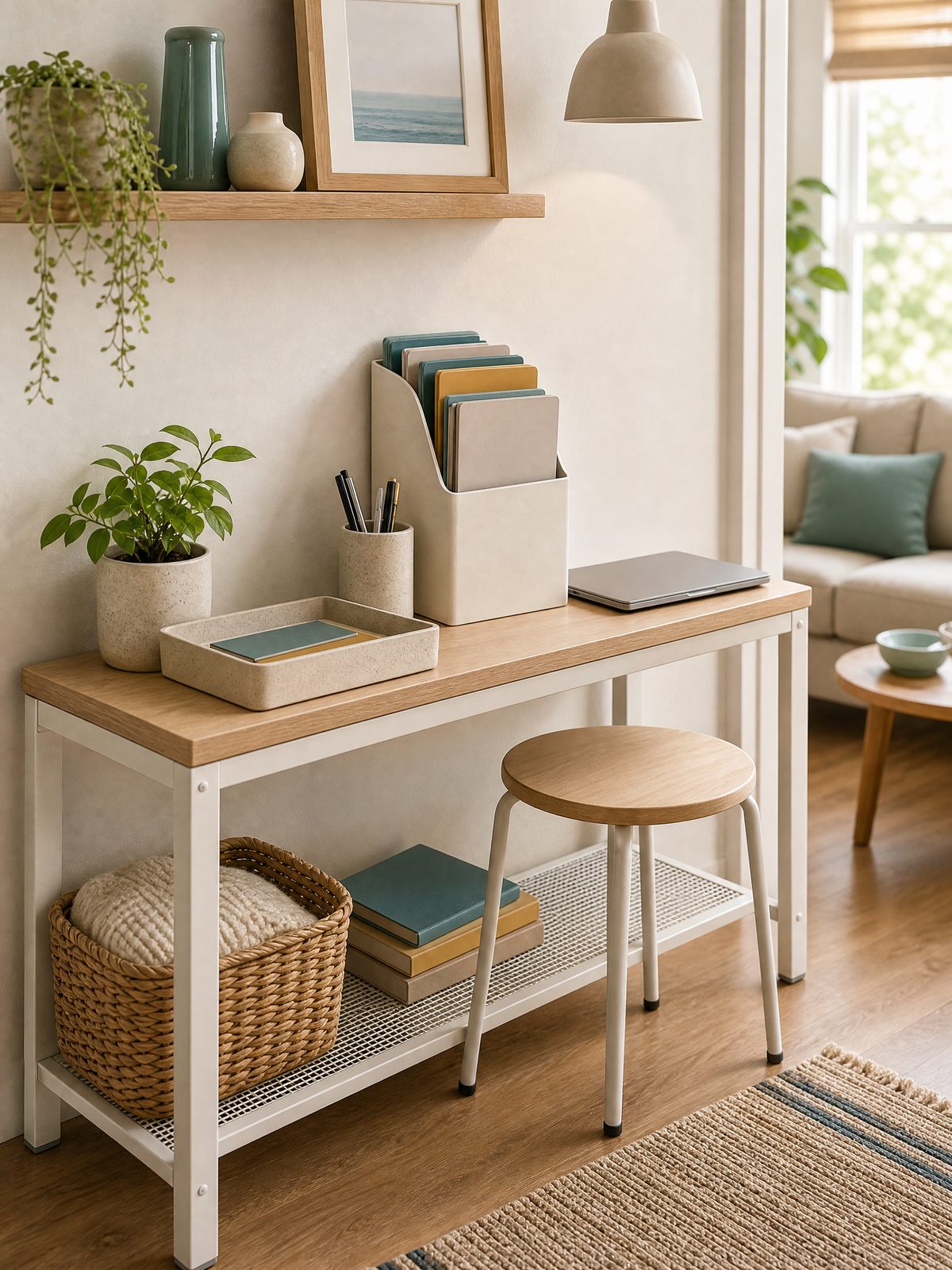
Paper piles can feel like a full-time job when you don’t have a dedicated desk. Renters and small-space dwellers need a compact, repeatable way to capture new documents, act on urgent items, file what you must keep, and securely shred the rest.
This article shows a compact intake → action → archive → shred workflow you can set up in a closet, on a shelf, or in a kitchen cubby. The system emphasizes visible capture, quick daily triage, a small long-term archive, and secure disposal practices you can maintain without a home office.
Start with the real constraint
Most renters simply don’t have a permanent desk or a large room to dedicate to paperwork. That means your system must be small, mobile, and able to live in a shared space without being an eyesore or a lease violation. Recognize that any visible sorting area will need a cover or quick-stow option for guests or inspections depending on your rental terms—verify whether your lease includes any specific storage rules.
Ready.gov advises organizing critical household, insurance, financial, and medical records before an emergency and safeguarding them in a secure accessible location. Use that guidance as the anchor for which documents you handle differently (keep originals, copy to secure digital storage, or keep limited printouts), and treat other suggestions below as practical options or personal planning approaches to suit your space.
At-a-glance plan
| Station | Where to put it (practical option) | When to use | Decision signal |
|---|---|---|---|
| Intake tray | Thin wall-mounted pocket or shallow tray by the entry or kitchen counter | Drop mail and receipts immediately on arrival | Envelope unopened or loose paper present |
| Action pile | Clip or shallow box on a visible shelf or a single drawer | Daily or every-other-day quick review | Requires response, form, payment, or appointment scheduling |
| Short-term archive | Compact file box with labeled hanging folders in a closet or cabinet | Weekly or monthly move-in from action pile | Active records you may need within months (warranties, recent bills) |
| Shred / recycle | Small shredder or locked bag to transport to a shred event | Weekly or when the shred bag is half full | Contains account numbers, SSN, pay stubs, or other sensitive data |
Build the system step by step
- Pick one visible intake point. A practical option is a slim wall pocket or a shallow tray by the most-used entry point for mail; the single rule is everything paper goes there first.
- Create a tiny action zone. Use a clip board, small box, or a labeled drawer for items that need a task (bills, forms, RSVP). Treat this as a short to-do list, not long-term storage.
- Set up a compact archive. A shoebox-sized file box with four to six labeled folders is a practical option for recent documents you might need within months; store it where you can reach it but out of everyday sight.
- Decide how you will dispose of sensitive paper. A small crosscut shredder or a locked bag that you take to a community shred event is a personal planning approach; follow the shredder manufacturer instructions and local disposal rules when handling waste.
- Choose a weekly review time. A two- to ten-minute personal planning approach every week moves items from intake to action or archive, and empties the shred bag before it bulks up.
The goal of these steps is to reduce decision fatigue: everything has a place and a time. Treat the archive box as a rotating short-term store—every three months you can decide what to keep longer-term (following Ready.gov’s guidance for critical records) and what to digitize or destroy as a practical option.
Trade-offs to consider
Smaller systems save space but require more frequent maintenance. Decide what balance of size versus time commitment works for you, and remember to check lease rules for storage locations if you plan to keep a lockbox or similar item in shared areas.
- Smaller storage footprint means weekly upkeep instead of monthly, which is a personal planning approach to reduce clutter.
- Keeping originals of critical records increases security needs; digitizing copies is a practical option but verify encryption or cloud choices yourself.
- Buying a home shredder uses space and power; transporting a locked bag to a shred event is a practical option that trades convenience for less equipment at home.
Keep it workable
Pick routines you will actually follow: if you know you only have five minutes on Sunday mornings, set the weekly review for that window. Use clearly labeled folders, keep the intake point uncluttered, and periodically purge the short-term archive. When using a shredder or transporting documents, follow the manufacturer instructions and local authority guidance for disposal. For critical emergency documents, follow the Ready.gov advice about organizing and safeguarding key household, insurance, financial, and medical records in a secure accessible location.
FAQ
What documents should I keep as originals?
Ready.gov advises organizing critical household, insurance, financial, and medical records before an emergency and safeguarding them in a secure accessible location; treat those categories as your priority for originals. Any other advice about exactly which specific documents to keep as originals is a personal planning approach—decide based on how quickly you would need them and whether a certified copy or scan would suffice.
Can I store this system in a closet or under the bed in a rental?
Storing your paperwork in a closet or under a bed is a practical option for small spaces, but check your lease for any storage restrictions and avoid storing documents where moisture or pests are likely. If you use a lockbox, verify any rules in your rental agreement and follow them.
How often should I shred or clear the action pile?
Clearing the action pile weekly is a useful personal planning approach for most people; shredding can be done weekly or when a shred bag is half full. If you use a shredder at home, always follow the manufacturer instructions and local waste rules when disposing of shredded material or maintaining the machine.
Set up your intake point now and schedule the first weekly review on your calendar. Start with a single three-folder box and refine the folders after two weeks based on what you actually receive.
Sources and fact-checking
This guide provides practical editorial guidance. Requirements and safe choices can depend on the product, lease, local rules, and individual situation.
- Ready.gov — Financial Preparedness — Ready.gov advises organizing critical household, insurance, financial, and medical records before an emergency and safeguarding them in a secure accessible location.
Fact-checked against the linked official resources on August 27, 2026.